
 11
11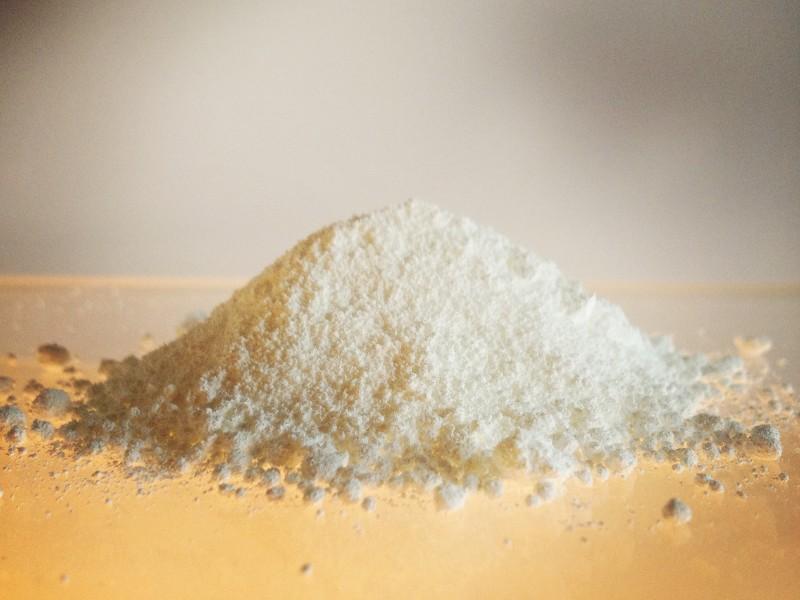
Zinc dust has many uses in various sectors and industries. One of its uses is the mining industry. This fine powder plays a crucial role, including improving infrastructure durability and chemical reaction efficiency. Unfortunately, many people still don’t understand what zinc dust is. However, this fine powder is widely used by the construction and chemical industries, as well as in mining materials. This article will discuss the crucial role of zinc dust in the mining industry.
Uses of Zinc Dust in the Mining Industry
Zinc dust’s uses span a wide spectrum of industries, from protecting magnificent structures from rust damage to aiding gold refining. This material is a crucial investment for the efficiency and quality of modern industrial products, one of which is the mining industry.
In the mining industry, zinc dust is not simply a supplementary material but a key component determining the successful recovery of precious metals. Its most prominent use is found in the extraction of gold and silver through precipitation methods.
The Merrill-Crowe Process
In the mining sector, zinc dust is primarily used for gold and silver. It is used in a method commonly known as the Merrill-Crowe process. Very fine zinc powder is added to a cyanide solution containing gold.
Because zinc is chemically more reactive, it binds to the cyanide and separates (precipitates) pure gold from the solution so it can be recovered and refined. This is a technique for separating precious metals from cyanide solutions that have undergone a leaching process.
The fine powder provides a very large surface area. This allows the chemical reaction to occur more quickly and thoroughly, minimizing the amount of gold lost in the remaining solution.
Able to Determine Purity Levels
Uses of zinc dust also helps determine high purity levels, even above 94%. This ensures there are no contaminants that would interfere with the precipitation reaction or damage the final quality of the precious metal. The uniform particle size ensures a stable precipitation rate.
This makes it easier for mining technicians to accurately control the chemical process. With optimal reactivity, mining companies can use smaller amounts of powder to achieve maximum extraction yields.
Dangers to Be Aware of
While zinc dust has many uses, there are key dangers to be aware of. In dry conditions, zinc dust can ignite if exposed to sparks or extreme heat.
When exposed to water or moisture, zinc dust can release highly explosive hydrogen gas and generate significant heat. Even microparticles can be inhaled, causing lung irritation, a condition known as “metal fume fever.” It’s important to understand the potential risks in addition to understanding the uses of zinc dust.